September sale - up to 20% off training courses – use code: SEPT26SAT

31 March 2026
Where to start with learning Python coding
Python is widely considered one of the most beginner-friendly programming languages. Its concise syntax and flexibility make it a good choice for people who are completely new to coding, as well as th...
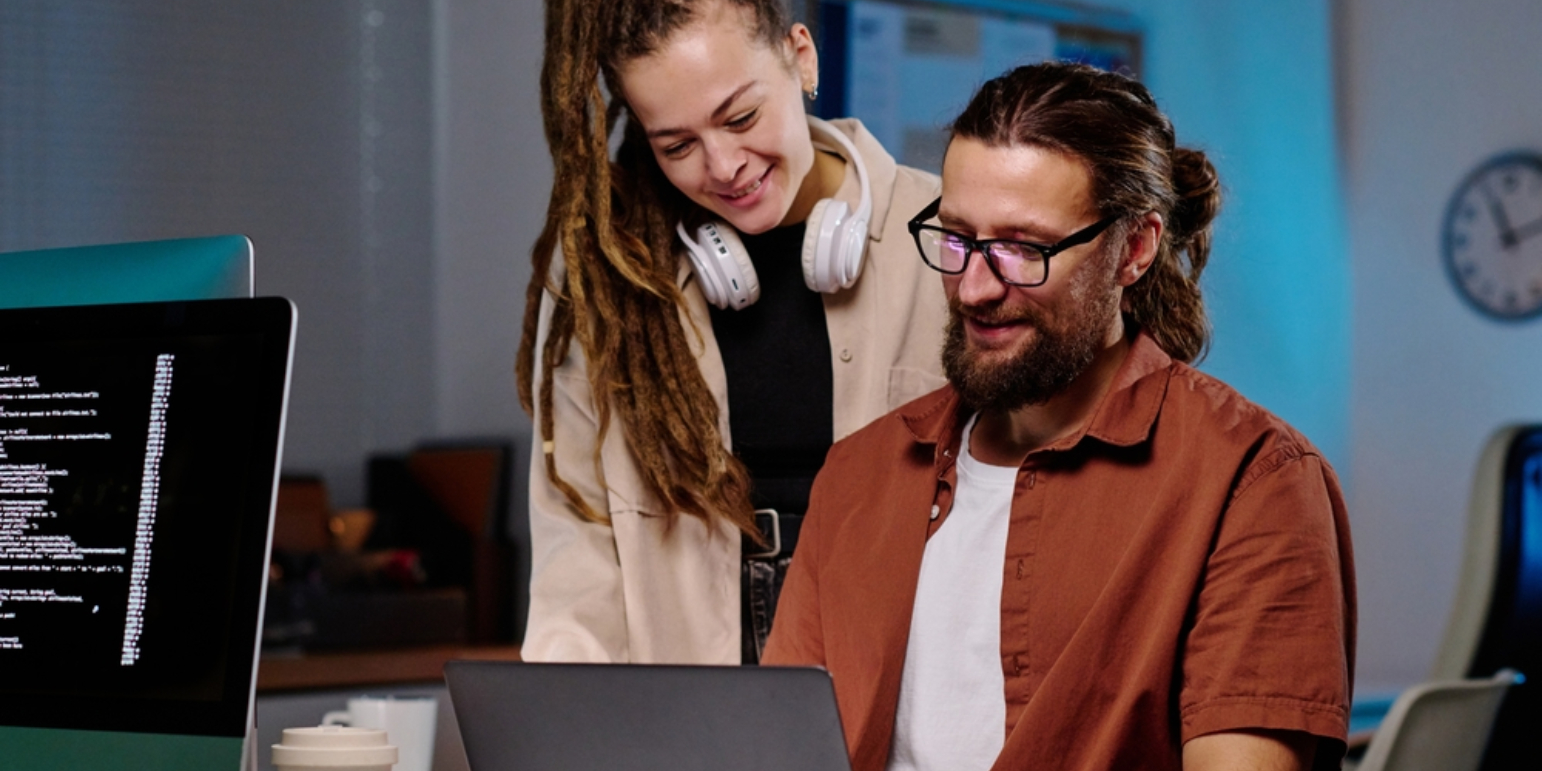
Python is widely considered one of the most beginner-friendly programming languages. Its concise syntax and flexibility make it a good choice for people who are completely new to coding, as well as those who already have some technical experience.
Python is used across a wide range of industries and technical disciplines. From data analysis and artificial intelligence to automation and web development, the language supports many types of software projects. Because of this versatility, learning Python can open the door to a variety of career paths.
If you are exploring how to learn Python programming language skills, this guide explains why Python is a popular choice, what makes it approachable for beginners and how you can begin building practical coding experience.
Why learn Python?
Python has grown steadily in popularity over the past decade. Many organisations now rely on it for tasks ranging from data processing to application development.
One reason for this growth is its versatility. Python can be used in several areas of technology, including web development, automation, machine learning and data science. Developers can build web applications, analyse large data sets or automate repetitive tasks using the same language.
Python also benefits from a large global community. Thousands of open-source libraries and frameworks extend its capabilities, while extensive documentation and tutorials support learners at every level.
Because of this widespread use, Python skills are valuable across many technical careers. Roles that commonly use Python include:
- Data Analyst
- Python Developer
- Machine Learning Engineer
- Back-End Developer
- Automation Engineer
For people interested in entering these roles or expanding their technical skills, training in Python provides a good foundation.
Is Python easy to learn?
Python is widely regarded as accessible for beginners, and several characteristics contribute to this reputation:
- Python supports scripting, which allows developers to write small pieces of code that perform useful tasks without building complex application structures first. This makes experimentation easier for newcomers.
- With Python, you can write code and run it straight away, which makes it easy for beginners to experiment and learn. Beginners can quickly see how their code behaves and adjust it accordingly.
- Python is also dynamically typed. Variables do not require strict type declarations before they are used. While this does not remove the need to understand data types, it allows learners to begin writing code with fewer barriers.
- Python includes many built-in functions that simplify common tasks. These tools reduce the amount of code needed to perform operations, helping beginners focus on programming concepts rather than complexity.
For learners seeking a structured introduction, StayAhead provides introductory Python courses designed to guide beginners through the fundamentals of programming.
Can you teach yourself Python?
Many developers begin learning Python independently using online resources, documentation and practice exercises. Self-directed learning can be flexible and allows you to progress at your own pace.
However, structured courses often accelerate the learning process. A guided programme provides a clear path through topics, reducing uncertainty about what to study next.
Learning with an instructor also allows you to ask questions and receive feedback when problems arise. This support can make difficult concepts easier to understand and help learners avoid common mistakes.
Some learners combine both approaches. They follow a structured course while also exploring independent projects or additional tutorials.
StayAhead offers several learning formats, including virtual training, classroom learning and on-site instruction, so learners can choose a format that suits their schedule and preferred learning style.
Common beginner mistakes to avoid
One common mistake is watching tutorials without practising writing code for yourself. Programming is a practical skill, so writing code regularly is essential. Even simple exercises help reinforce understanding.
Another challenge can be trying to learn too much at once. New learners sometimes jump straight into advanced topics such as machine learning or complex frameworks before mastering basic programming concepts. Building strong foundations first leads to more consistent progress.
Inconsistent practice can also slow learning. Coding occasionally with long gaps between sessions makes it harder to retain knowledge. Short, regular practice sessions tend to be more effective.
Some beginners rely heavily on copying code from tutorials without understanding how it works. Typing the code yourself and exploring what each line does strengthens comprehension.
Finally, many learners hesitate to experiment because they worry about making mistakes. Errors are an essential part of learning to code. Debugging problems and testing ideas often leads to deeper understanding.
Developing confidence in experimentation and problem solving will help you build stronger programming skills over time.
Learn Python with StayAhead
Learning Python can open opportunities across software development, data analysis and emerging technologies. Starting with clear guidance and practical exercises makes the process far more manageable.
StayAhead provides structured Python training designed for beginners who want to build real programming skills. Courses introduce core concepts gradually and include practical exercises so learners can apply what they learn in realistic scenarios, with training pathways beginning with introductory programming courses and progressing towards more advanced topics, allowing learners to develop their expertise step by step.
If you are ready to begin learning Python coding or want to explore the best training route for your goals, contact the StayAhead team to discuss your options and start your learning journey today.